The housing crisis echo chamber keeps repeating one tired refrain: "Just build more." The 2025 data exposes this delusion:
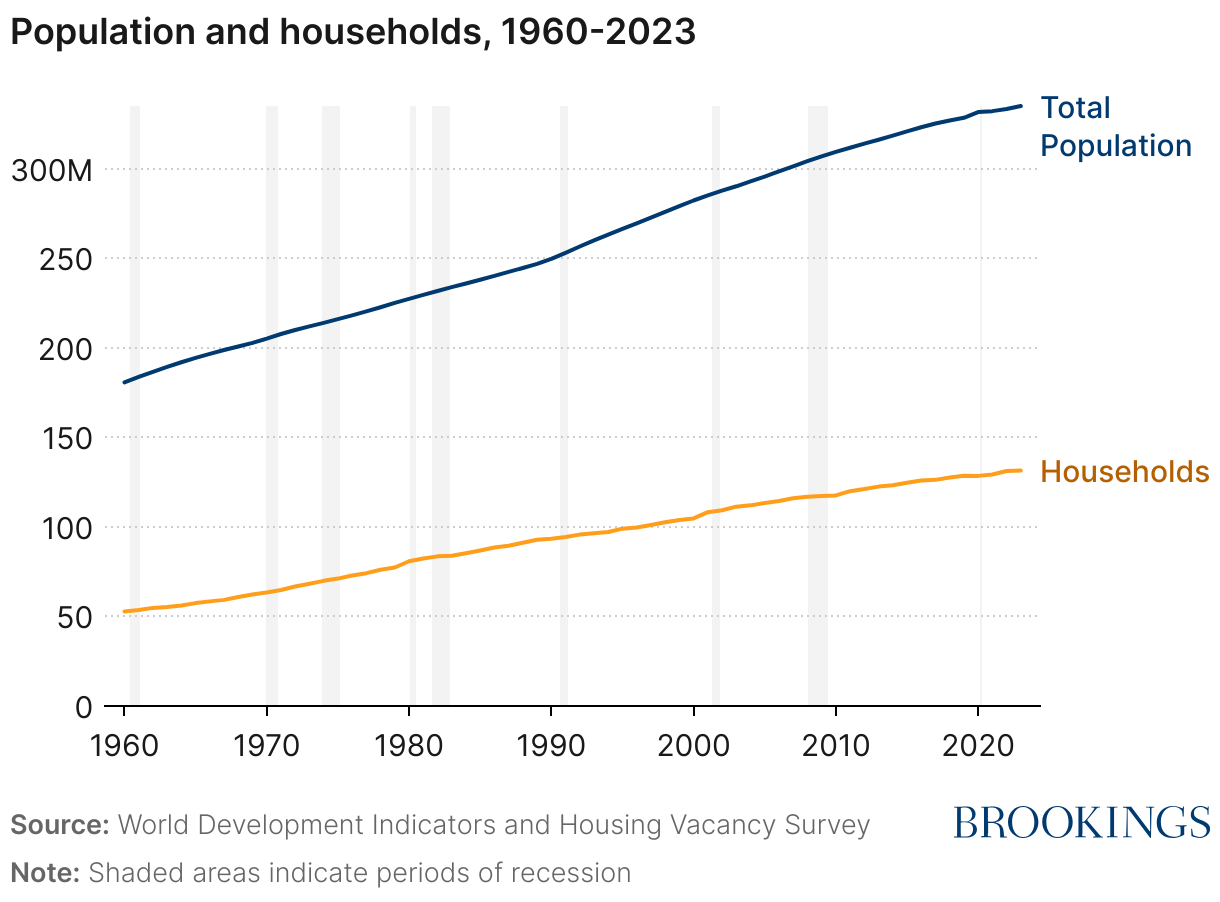
U.S. shortage hits 4.7 to 7.1 million homes, with 7.1 million lacking for extremely low income renters alone. Affordability apocalypse: 74.9% of households can't buy a median priced new home; 22.6 million renters (record high) spend 30%+ of income on housing, up from pre pandemic levels. Frozen market: Home sales at 30 year lows, prices poised for further spikes as rates stabilize, but construction lags demand by millions annually. Generational theft: Young and mobile Americans crushed, millions doubling up, delaying families, while boomers reap windfalls from scarcity.
Trillions funneled into bricks and mortar, yet ownership evaporates. This isn't scarcity by accident; it's engineered scarcity.
Residential construction defies progress: Labor productivity down 20% since the 1980s, while autos tripled and tech leaped 30x. Why? Can't outsource nail guns to China. Sites remain artisanal chaos amid drones, AI, and robotics.
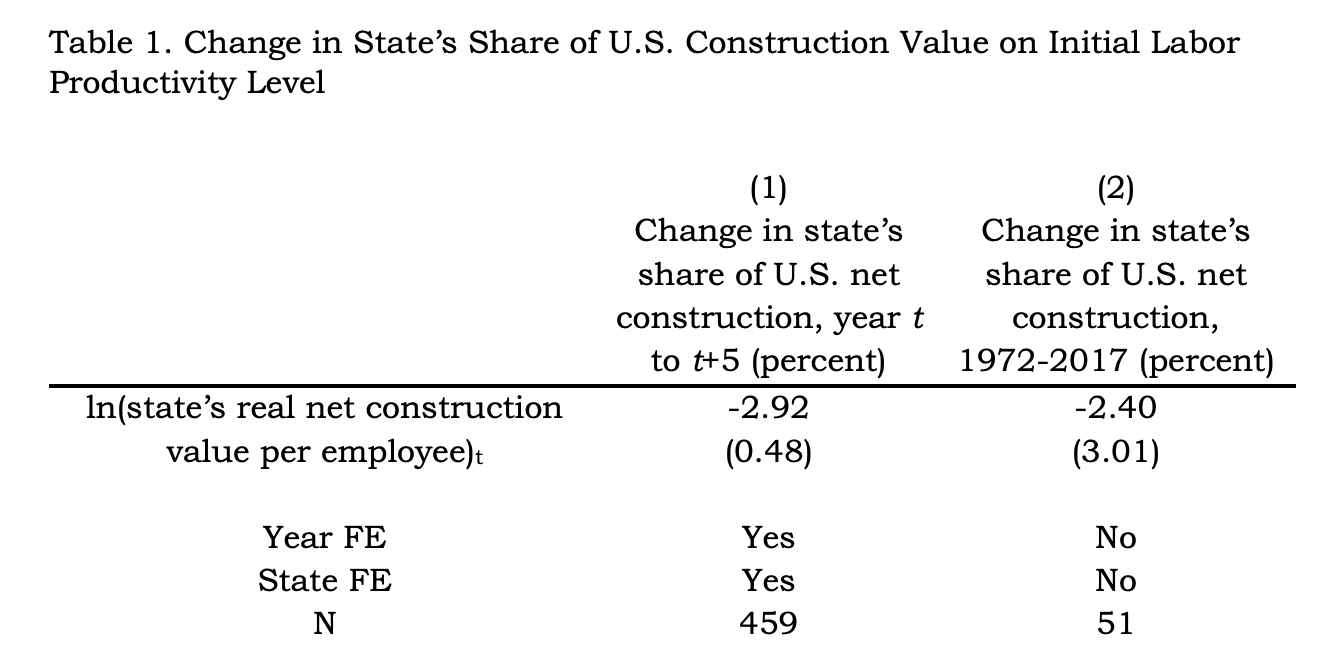
Global peers industrialized housing decades ago. America? Trapped in a time warp of bespoke builds, weather whims, and union vetoes. Prefab promises escape velocity — but gravity always wins.
Prefab's century old pitch: Industrialize housing for 20 to 40% cost cuts, faster builds, sustainability. 2025 darlings like Factory OS and Mighty Buildings echo Katerra's ghosts (bankrupt 2021, $2B torched) and Veev (folded 2023, $1B valuation).
Perks on paper: Controlled factories slash waste and weather delays while boosting quality. Scale magic standardizes like IKEA, produces like Tesla. Crisis solver delivers modular units for wildfires and shortages. Faster, greener.
Reality? Billions incinerated, adoption stagnant at under 5% U.S. market share. Why? Systemic sabotage.
Failures aren't tech flaws. They're institutional quicksand.
Logistics leviathan: Oversized modules trucked nationwide spike costs 15 to 25%; reassembly erodes savings. Regulatory feudalism: 20,000+ zoning silos demand custom tweaks. Factories die without uniformity. Capital choke: Banks stage funds onsite; prefab guzzles upfront cash, starving startups. Inspection inquisition: Pre built units dissected on arrival, nullifying factory efficiencies. Balkanized codes: Sweden's 84% prefab? National standards. U.S.? Patchwork vetoes from NIMBYs and legacy lobbies.
2025 updates: Climate disasters accelerate modular pilots (wildfire rebuilds, for example), but scaling stalls amid zoning wars and labor shortages. Prefab isn't broken; the ecosystem is wired to break it.
Boxabl's saga crystallizes the farce, now amplified in 2025.
Founded 2017, viral for $60K foldable Casitas; 1M+ Instagram fans, Elon Musk lore (debunked). Funding frenzy: $230M+ from 50,000 retail investors; August 2025 SPAC merger with FG Merger II targets $3.5B Nasdaq valuation ($BXBL). Treasury twist: Adopted 10 BTC ($1.07M) as reserve. Bullish signal or desperation play?
Brutal truth (Q2 2025 filings): Revenue: $279K (up from $83K YoY, but down from prior peaks like $625K; millions in quarterly losses). Deliveries: Hundreds total; just 51 units in 2024, sold below cost. All in costs: $100K+ post land/shipping; new "Baby Box" ($19,999) teased, deliveries delayed to late 2025. Private share price: $0.15 on Forge (08/19/2025).
Boxabl isn't scaling homes. It's scaling memes. This isn't disruption — it's the financialization of desperation. A $3.5B valuation on Chick fil A level revenue?
Metric Hype Peak (Pre 2025) Reality (Aug 2025) Valuation $3B+ $3.5B SPAC target Units Delivered Mass scale promised ~Hundreds; 51 in 2024 Q2 Revenue Explosive $279K (losses in millions) Margins Profitable scale Negative; below cost sales Treasury Move N/A 10 BTC ($1.07M) All In Buyer Cost $60K turnkey $100K+
Prefab craters because the game's rigged upstream.
Zoning mafias: Local boards throttle supply in boom zones, inflating incumbent assets. Realtor rent seekers: NAR's MLS cartel skims 5 to 6% on opacity. NIMBY fortresses: Homeowners veto density, exporting pain to renters and youth. Fragmented fog: Titles, liens, escrows in analog hell. Breeding delays, fraud.
Not engineering entropy; political capture perpetuating scarcity for the entrenched.
Peter Thiel's 2025 warnings cut deepest: "We're in a Georgist real estate catastrophe... Add 10% to the population in a city, and house prices go up 50%, and people's salaries go up 10% or less... The windfall goes to entrenched landowners."
It's intergenerational plunder: Boomers cash in, millennials subsidize. Coordination implodes under 20,000 fiefdoms, monopoly tolls, and trust voids. Prefab? Just another victim.
Housing isn't broken because we can't pour concrete; it's broken because trust doesn't scale.
Factories fix symptoms; protocols cure the disease. Reengineer trust at scale. Blockchain approvals: Zoning, permits, inspections as immutable smart contracts. National uniformity, zero veto roulette. Fluid financing: On chain milestones unlock funds, syncing prefab's capex with verifiable progress. Seamless ownership: Atomic title/escrow transfers. Minutes, not months; dismantle realtor rackets. Composable ecosystems: Open data layers for land, designs, rights. Lego like interoperability.
Housing fractures on unscalable trust. Program it, and abundance cascades.
VC's factory fetish? Dead end. Protocol primitives first. 2025 tailwinds: Wildfire modular surges, but without trust layers, they fizzle. Build the rails (Pado as the missing protocol layer, for example), and factories become commodities.
We orbit Mars, engineer AI gods, electrify fleets. Yet a 2,000 sq ft home in Austin? Bureaucratic black hole.
Not steel shortages. Not robot gaps. Protocol paralysis.
Forge programmable trust. Unlock trillions in dammed demand. Bolt factories to feudalism, and it's Boxabl eternal: Vaporware valuations, BTC bandaids, generational gridlock.
The missing layer is programmable trust. Build that, and housing unlocks like bandwidth did after TCP/IP
Here’s the leap — factories failed because the rails failed. Crypto fixes the rails.
On-chain approvals → zoning, permits, inspections as immutable smart contracts.
Fluid financing → capital streams unlock on verifiable milestones.
Atomic ownership → escrow, liens, and titles settle in minutes, not months.
Composable ecosystems → open, interoperable datasets for land, rights, and designs.