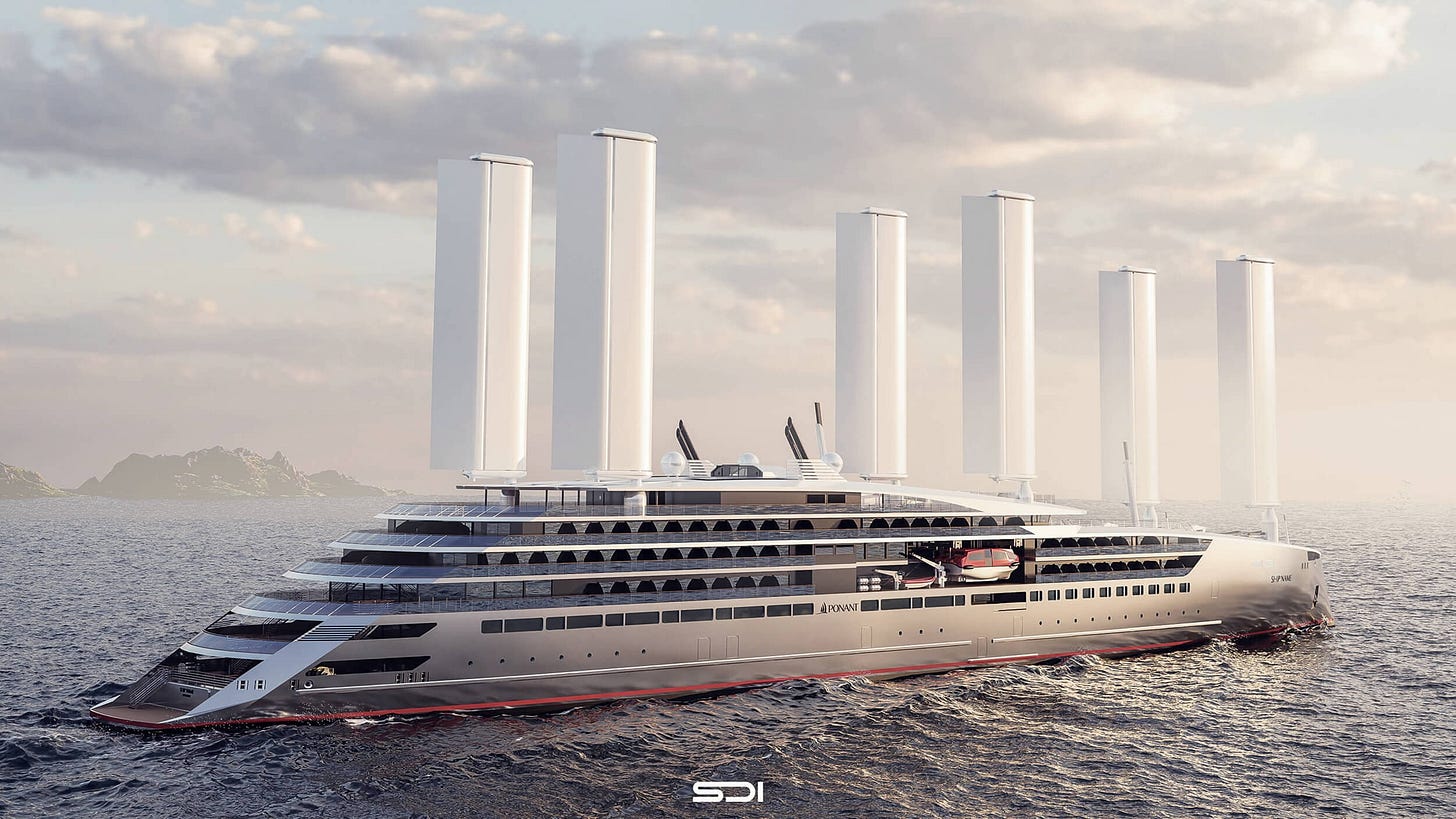
Seasteading has been a libertarian dream for decades. Build floating cities in international waters, escape government overreach, create new societies from scratch. But despite all the hype and millions in funding, we're still nowhere close to making it work.
The problem isn't engineering. We can build things that float. The problem is that seasteads need all the boring infrastructure that makes civilization work, and right now that infrastructure only exists inside nation-states.
The Real Problem: Trust and Coordination
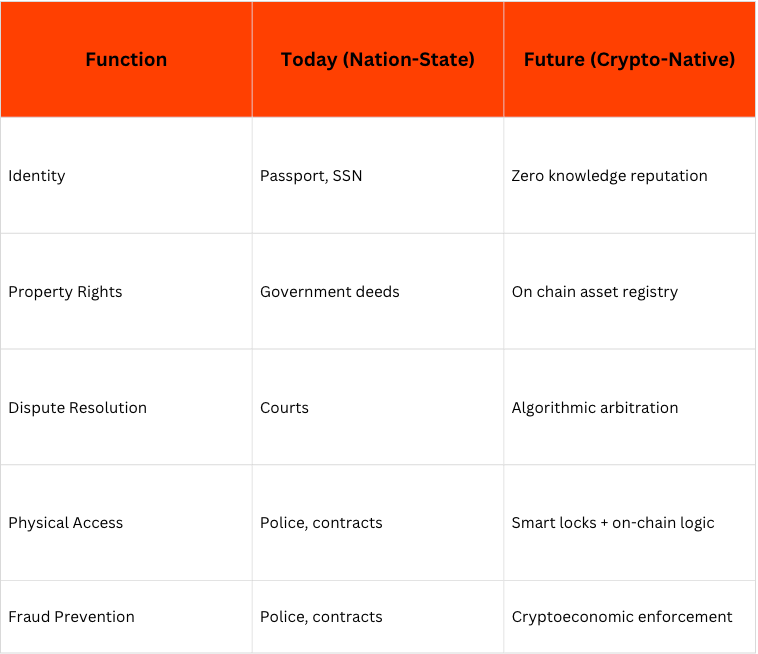
A seastead isn't just a fancy boat with people on it. It's supposed to be a functioning society. That means you need ways to prove who you are, enforce contracts, resolve disputes, transfer property, and keep people accountable for their actions.
Right now, all of that stuff runs through government systems. Your identity is your passport. Your property rights come from deeds and courts. Your reputation is credit scores and background checks. None of that works if you're floating around in international waters trying to be sovereign.
Why Current Systems Don't Work
Try to register a floating house in international waters. Try to enforce a rental agreement between two people living on different seasteads. Try to prove your identity without a government-issued ID. You can't do any of it reliably.
The infrastructure we use for coordination assumes you're operating inside a nation-state. It actively resists people trying to organize outside government control.
Crypto Solved Digital Trust, But Not Physical Trust
Bitcoin let us transfer value without banks. Ethereum gave us programmable contracts. But both of those only work in the digital world. They can't unlock a door, verify someone actually showed up somewhere, or stop someone from trashing your stuff and disappearing.
We need infrastructure that connects cryptographic proof to physical reality.
What's Missing: A Trust Layer for the Physical World
We need systems that can handle identity, contracts, and enforcement without relying on governments. This means:
-
Identity that's tied to your actual behavior and reputation, not just government documents
-
Smart contracts that can control physical access to homes, vehicles, and facilities
-
Ways to punish fraud and reward honest behavior across different jurisdictions
-
AI systems that can evaluate trust and risk based on real-world actions
-
Hardware that connects physical events to blockchain records
Why Seasteading Needs This
Imagine a seastead where residents own their housing pods as NFTs, rent equipment through smart contracts, and get access to different areas based on cryptographic keys. Disputes get resolved through algorithmic arbitration. Governance happens through reputation-weighted voting.
None of that works with today's technology. You'd still need traditional legal systems, traditional banks, traditional identity verification. You'd be dependent on the very nation-states you're trying to escape.
This Goes Way Beyond Seasteading
The infrastructure needed for seasteading would also enable refugee communities that aren't tied to specific countries, crypto-native city states, off-grid supply chains, autonomous transport networks, and maybe even Mars colonies.
Basically, it's how we move past 20th century bureaucracy and make civilization more flexible and composable.
The Bottom Line
If you want seasteading to actually work, you need to solve the coordination problem first. The floating platforms are the easy part. The hard part is rebuilding identity, property rights, and enforcement mechanisms without governments.
This post also applies to:
Stateless refugees
Autonomous supply chains
Post-collapse coordination
Mars colonies
That's what programmable trust for the physical world actually delivers. It's not just crypto applied to real estate. It's a complete rethinking of how we coordinate when geography stops defining the system.
Seasteading is impossible until we build this infrastructure. But once we do, everything else becomes straightforward.